
LED strip lights have become one of the most popular lighting solutions today. You can find them in homes, offices, shops, cars, and many other places. However, when choosing LED strip lights, many people focus only on brightness or color. In all this, the importance of the right LED strip width is often overlooked. This raises a question: How to choose the right LED strip width?
Actually, the LED strip width is the measurement from one edge of the strip to the other. This width highly affects installation, brightness, and appearance. If you choose the wrong width of LED strips, it can lead to poor lighting coverage. Hence, to help you choose the right LED strip width for your project, I will explain some key factors to consider in this guide. So let’s get started.

Why Does LED Strip Width Matter?
Many beginners think that width is only about physical size. That’s why it is often ignored when choosing LED strip lights. However, the LED strip width directly impacts several factors and matters a lot. Why? Let’s find out the reasons.
- Installation Space: The first reason width matters is installation space. You might have noticed that LED strip lights are often installed in narrow spaces. So if you don’t buy the proper width of LED strip light for the available space, it will not fit.
- Heat Dissipation: LED strips generate heat while operating. Right? This heat must be dissipated, and its rate depends directly on the width of the LED strip light. For instance, if the LED strip is too narrow, heat cannot dissipate, reducing its lifespan.
- Brightness & Number of LEDs: Another reason why LED strip lights matter is the number of LEDs on the strip. If the width is too narrow, there will be only a few LED bulbs per strip. This will result in uneven and low brightness. That’s why the width needs to match your space requirements.
- Design Flexibility & Appearance: LED strip width can also affect the design of a lighting project. Narrow LED strip lights are usually easier to hide. This reduces clutter, making the space cleaner and more professional-looking. But remember, strips that are too narrow can limit design flexibility and overall appearance. So, choosing the right LED strip width is crucial.
How to Choose the Right LED Strip Width: Key Factors to Consider
Do you understand why LED strip width is important now? If so, the next step is choosing the right width. At first, it might feel confusing, especially if you are a beginner. But you need not worry. In the section below, I will discuss factors to consider when choosing the LED strip light width.
1- Installation Space & Mounting Area
The first, most important factor you must consider is the available installation space. As you know, DMX LED strip lights are installed in specific areas. Those include cabinets, shelves, ceilings, furniture edges, display cases, or wall grooves. All of these spaces have a different amount of space.
If the strip is not the right width for the available area, it will not fit properly. Hence, if you plan to install LED strips in narrow spaces, such as cabinets and bookshelves, a narrow LED strip is the best choice. These thinner strips can easily fit into small channels or tight areas without being visible.
On the flip side, if you are installing LED strips in larger or open areas, now you have more space available. Right? In such cases, wider LED strips are perfect for sufficient brightness and a good look. When choosing LED strip lights, first measure the width of the mounting surface and choose accordingly.
2- Lighting Purpose & Brightness Requirements
LED strip lights are used for many different purposes. For example, you can use them for decoration or for functional lighting. Each purpose requires a different width of LED strips. So the second factor you must consider is the light’s purpose and the brightness level you need. Suppose you are buying RGB LED strip lights for decorative or accent lighting.

For this, a narrow strip is often enough. Why? These narrow LED strip lights create a soft glow or highlight certain areas of a room. However, if you need functional lighting, the brightness becomes more important. You need a real LED strip light source to help people see clearly. For this purpose, you must choose a wider LED strip. Wider strips support more LEDs and produce stronger illumination.
3- LED Density & Light Output
When choosing the right LED strip width, LED density and light output also matter. How? Actually, LED density refers to the number of LED chips per meter on the strip. It tells you how closely the LEDs are arranged on the strip, which affects the light output. It means that when the LED density is low, the LEDs are placed farther apart. Similarly, when the LED density is higher, more LEDs are placed close together on the strip.
This LED density is related to the LED strip lights’ width. For example, if you need more LED density and light output, you have to choose the wider LED strip. Wider strips have more LED bulbs, which enhance the light output. Conversely, if you need less LED density, go with narrow LED strip lights. In these LED strips, the LEDs are spaced farther apart and produce less light.
4- Heat Dissipation & Strip Durability
Heat dissipation is another key factor when choosing the right LED strip width. As I mentioned above, LED strips generate heat while in use. If this heat is not dissipated, it can burn the light and reduce its lifespan. Heat dissipation depends primarily on the width of the LED strip lights. A wider LED strip light has more copper on the circuit board.
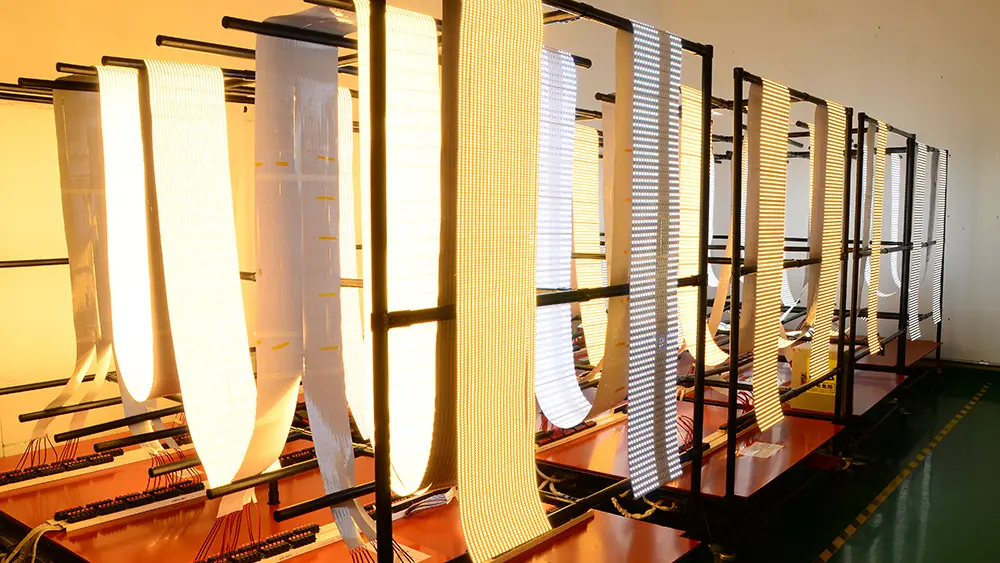
This helps spread the heat more evenly along the strip. So if you run the LED strip light for long hours, the chances of heat buildup increase. In this case, I suggest choosing the wider LED strip. In contrast, narrow LED strips have limited space for copper and heat distribution. If you use the narrow strips for long-duration lighting, they will heat up faster. You can choose these narrow LED strips if you don’t run them for long.
5- Compatibility with Aluminum Channels
Lastly, when choosing the width of the LED strip lights, make sure that they are compatible with aluminum channels. Aluminum channels (also called profiles) are basically used to mount LED strips. They not only hold your LED strip lights but also protect them from dust or damage and improve heat dissipation. However, not all LED strips fit into every channel.
The width of the LED strip lights matters here. For example, a channel is made for an 8 mm, 10 mm, or 12 mm strip. If the LED strip is wider than the channel, it will not fit properly. On the other hand, if the strip is too narrow for the channel, it will move inside the channel. That’s why you should always match the width of your LED strip lights to the width of the aluminum channels.
Common LED Strip Widths Available & Their Uses
LED strip lights come in various widths. You can choose the strip width according to your project’s needs. Not only this, but you can also choose from customized widths. For convenience, here is a table to help you choose the right LED strip width based on your needs.
| LED Strip Width | Typical Uses or Applications |
| 5 mm | Shelves, furniture edges |
| 8 mm | Cabinets, TV backlighting |
| 10 mm | Kitchens, cove lighting |
| 12 mm | Retail displays, office lighting |
| 15–20 mm | Stage lighting, large commercial areas |
Frequently Asked Questions
Is the LED strip width the same as the thickness?
No, LED strip width and thickness are totally different. Width is basically how wide the strip is, while thickness is how thick it is. The width of LED strip lights affects fit and brightness, and the thickness affects how it sits in channels.
Can narrow LED strips be used for bright lighting?
No, I don’t recommend using narrow LED strip lights for bright lighting. They usually don’t produce very bright light. Narrow strips are best for decorative or accent lighting rather than main or functional lighting.
How do I measure the space for LED strips?
To measure space for LED strips, take a ruler or measuring tape. Check the width and length of the area where you want to install them. Make sure the LED strip fits inside the space or mounting channel before buying.
Are narrow strips cheaper than wide strips?
Yes, narrow LED strips are usually cheaper than wider strips. The reason is that they contain fewer LEDs and less material, which lowers the cost. But remember, the ultimate price also depends on LED quality and brightness, not just width.
Conclusion
LED strip lights are widely used and favored for their energy efficiency and flexibility. The width of these LED strips is crucial to their proper functionality. The width affects how the strip fits in your space, how bright it is, and how long it lasts. However, many people get confused when choosing the right width for LED strips for their projects.
That’s why in this article, I have discussed some factors you must consider when choosing the LED strip width. For example, know the installation space, lighting purpose, LED density, and heat management. Also, make sure the LED strip lights’ width is compatible with the aluminum channels. Remember that picking the right width ensures your LED lighting looks great, works efficiently, and lasts longer.