
LED strips are a common way to add light to homes and offices. People like them because they can bend around corners and stick to walls. Both 12V and 24V LED strips look almost the same, but their performance is not equal. In fact, their differences lead to debate over 24V VS 12V LED strip. Some people favor 24V strips and consider them powerful.
On the other hand, the majority of people consider 12V a better option due to its cost-effectiveness. However, both of these light strips have many distinctions that set them apart. In this article, I will explain the key differences between 12V and 24V strip lights. Understanding their distinction will help you choose the right strip light.
10 Differences Between 24V and 12V LED Strips
Understanding the differences between 24V and 12V LED strips helps you choose the strip that fits your project. The right choice depends on how much light you need and how far it should reach. Let’s explore 10 main differences that show where each type is most useful.

1- Voltage and Power Supply
A 24V LED strip runs on 24 volts and needs a 24V power supply. It pulls less current for the same power, which means less stress on the wires. This low supply makes it safer for long runs and helps to stop overheating. 24V also uses thinner wires, which lowers costs. Suppose your primary focus is on voltage and power supply. In that case, 24V is usually the better pick because it runs longer with less stress on the wires.
A 12V LED strip runs on 12 volts and needs a 12V power supply. It pulls more current than a 24V strip, which can cause a voltage drop. This is the reason why 12V is better suited for short runs and small projects, such as accent lighting. However, it often requires thicker wires to prevent overheating, which can be more expensive in large setups.
2- Voltage Drop Over Distance
24V LED strips work better for long distances because they lose less voltage along the strip. This keeps the brightness more even from start to finish, even in big setups. You can light whole walls or ceilings without much dimming. When it comes to handling voltage drop over distance, 24V is the stronger choice. This is because it keeps light levels consistent across long distances.
12V LED strips lose voltage faster. On long runs, the light at the end can look dimmer than at the start. To fix this, you need shorter runs or extra power points, which adds work and cost. This makes them less ideal for large or continuous lighting. They are best used in smaller spaces where strip length is not an issue.
3- Brightness and Efficiency
24V LED strips keep their brightness steady even over long runs. RGB LED strips in 24V maintain bright and even colors across long runs, making them a popular choice for this application. It also helps them last longer. Many of the brightest strips are only made in 24 for rooms that need intense light. For brightness and efficiency, 24V is the better choice since it stays bright and uses less power.
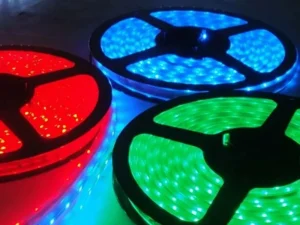
12V LED strips can still shine brightly, but voltage drop affects them more significantly. This issue lowers their efficiency in larger projects. They work well in small areas like cabinets or car interiors. They are best for decoration or accent lighting where intense brightness is not needed. 12V strips are cheaper and easier to find. They are also simple to install, making them ideal for DIY projects.
4- Maximum Run Length
24V LED strips can run 10 meters or more without extra power. This means fewer wires and fewer connections, making them easier to set up in large spaces. You also need fewer power supplies, which reduces clutter and lowers the chance of problems later. For maximum run length, 24V is the stronger choice since it covers more distance with less effort.
12V LED strips usually reach about 5 meters before brightness starts to drop. Longer runs require additional wiring and power feeds, which makes the setup more complex. It also makes the setup more costly. They are less convenient for large areas but still work well in smaller projects.
5- Cutting Intervals
24V LED strips usually have longer cutting points, often every 6 LEDs. This makes it harder to cut them into exact sizes for small spaces. If the strip is too long, you may end up with extra light that does not fit well. They work fine in large projects where minor cuts are not needed, but less so in detailed setups. Overall, they are better for broad and open areas where precision is not a big issue.
12V LED strips have shorter cutting points, often every 3 LEDs. This gives more control and makes it easier to fit them into corners or tight areas. You can size them to match shelves, cabinets, or other small spaces with little waste. This makes 12V strips popular for decoration and DIY projects where precise sizing is crucial. They are a good fit when you want clean edges and custom lengths.

6- Heat Generation
24V LED strips give off less heat for the same level of brightness. This makes them safer and helps them last longer, even when used for many hours. The lower temperature also means you usually don’t need extra cooling tools. They are a good choice for enclosed spaces or large projects where overheating is a potential issue. For heat management, 24V is the safer and longer-lasting choice.
12V LED strips can run hotter because they pull more current. If the heat is not controlled, it can shorten their life and lower efficiency. In some cases, you may need heat sinks or aluminum channels to keep the temperature under control. This adds to the cost and requires extra work during installation. Still, in smaller spaces with good airflow, 12V strips can work without significant issues.
7- Cost of Installation
24V LED strips often cost more at the start because their power supplies are larger and can be pricier. But over time, you save money on wiring and energy use. It also means fewer replacements. For big jobs, 24V is often the more cost-effective choice. If your focus is on installation cost, 12V is cheaper upfront, but 24V can save more in the long run.
12V LED strips are cheaper to buy and power at the beginning. They are a good fit for small projects where keeping costs low matters more than long-term savings. Their low price makes them a popular pick for decorative lighting. However, in larger projects, the need for thicker wires and more power feeds can raise costs later.
8- Availability and Options
24V LED strips are becoming more popular, especially in bigger projects. RGBW LED strips, which include a white channel along with colors, are often found in 24V for pro-grade lighting. Many new 24V strips also work with smart controls. For variety, 12V offers more choices, but 24V is better for advanced needs.
12V LED strips have been around for longer and remain the most common. They offer a wide variety of colors and designs. This makes them great for home projects and decoration. They are easy to buy online and in hardware stores. Their wide range makes them fit almost any small or creative project. As a result, many beginners begin with 12V strips before progressing to 24V.
9- Safety Considerations
24V strips are safe for both homes and commercial use. Since they run at higher voltage, damaged wires can be riskier than 12V. That’s why careful wiring and checks are essential. Using proper connectors and insulation ensures their safety for long-term projects. Many electricians use them in large areas. For handling, 12V feels safer, but with adequate care, 24V is also very safe.
12V strips are even safer because they run at a lower voltage. This makes them perfect for toys and small DIY projects. Many people prefer them in houses with kids or pets because the risk of shock is low. They are also easier to test and connect without much worry. Beginners often feel more confident starting with 12V.
10- Best Use Case
24V LED strips are ideal for large projects and commercial use, where steady brightness is crucial. They are also suitable for architectural lighting or lighting for shops. Since they resist voltage drop, they work well in large spaces like offices, hotels, and event halls. If you need lighting that stays bright and lasts longer, 24V is the better pick.
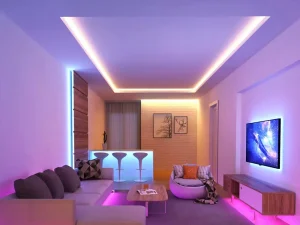
12V LED strips are better suited for short runs, such as decorative lighting. They are budget-friendly and easy for beginners to install. Their wide variety makes them great for shelves or accent lighting at home. Since they are safer to handle and simpler to power, many users prefer them. When you want affordable and simple lighting without extra wiring, 12V strips are the smarter option.
Verdict: Which Is Better, 24V VS 12V LED Strip?
I consider the 24V strip light a superior option over the 12V counterparts. If you’re in the decision phase, you can trust the 24V strip, especially if you want more brightness. What I like about these 24V strip lights is that they don’t face voltage drop issues. So they can keep giving out the same level of brightness, which is a big plus.
Additionally, 24V strip lights can run continuously by using less current. On the other hand, 12V is only a better option for those with a tight budget. You can use them in a cabinet or storage compartment for small decorative lights. They can face severe voltage drops, and also need more current for their work. Want my verdict? I would prefer 24V strip lights due to their better performance.